
The German word Reisefreiheit literally translates into freedom of travel
Reisefreiheit was a pivotal demand during the peaceful revolution of 1989 in Eastern Germany which ultimately led to the fall Berlin Wall and the end of Soviet domination in Eastern Europe.
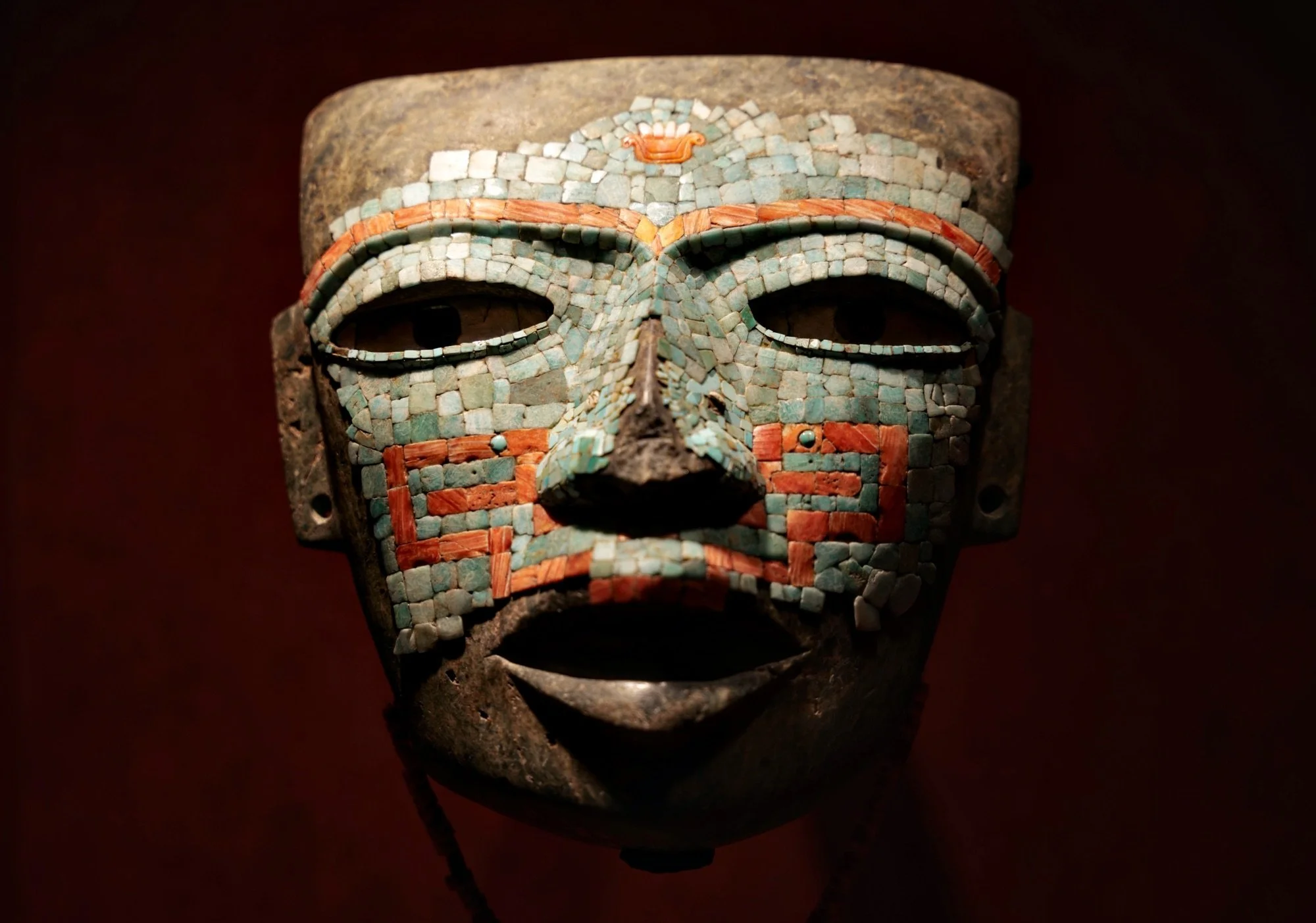
Pandora's Box
From a new world
The beautiful thing about travelling is the intensity with which you can immerse yourself in a place.
The magnifying glass through which you can look at it.
Especially when travelling far from home, it is fascinating to discover what else is, or once was, there.
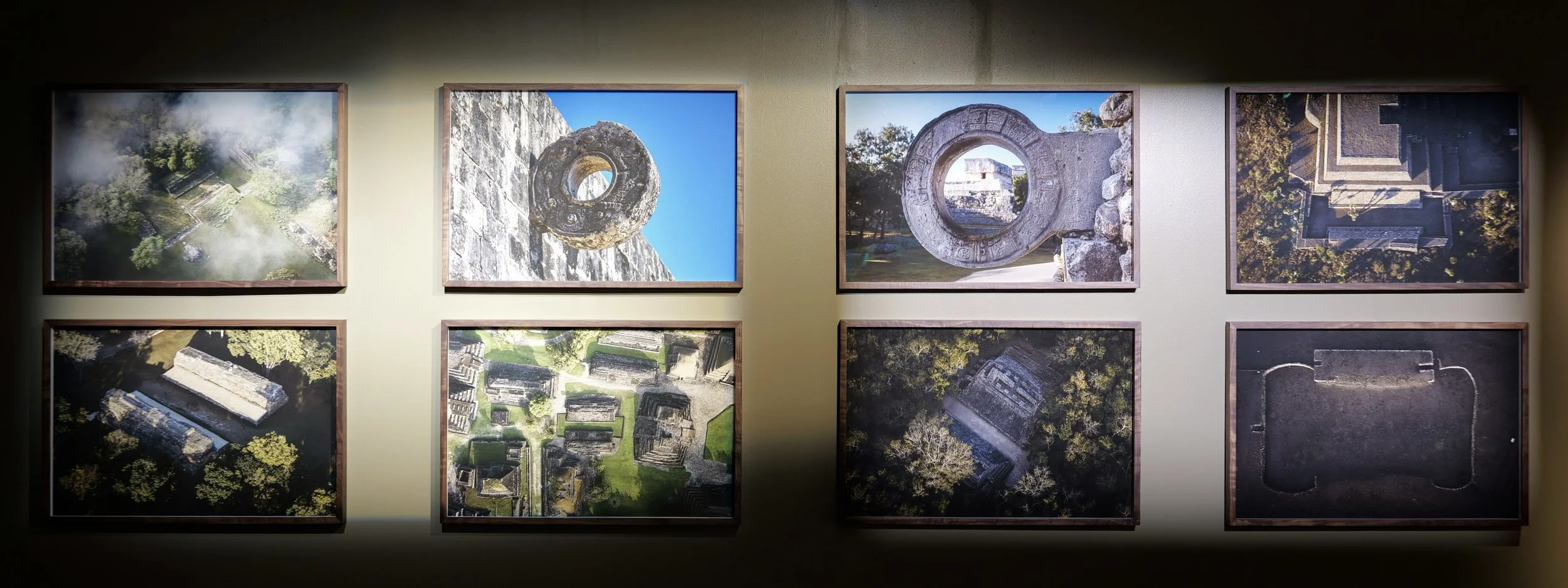
As a German and a European, I know little about Mexico. The country in which I am writing these lines.
Mexico is a country that receives little attention in our news coverage or public consciousness. You might still have heard of Tenochtitlan, the magnificent city of the Aztecs, or of the Maya in the south of what is now Mexico. But when it comes to Mexico's pre-Hispanic history, my knowledge quickly begins to run thin.
So it was rather convenient that I had heard about a good museum in the west of the city where I could learn a little more.
I jumped on the metro, where I nearly ended up in one of the women-only carriages after having to let three trains pass before there was finally room for me. But at a fare of 25 cents, one should probably not make too many demands regarding comfort. The only thing included in abundance was crowding.
I still arrived early, and there were only a handful of visitors on the grounds. The museum, or more precisely the National Museum of Anthropology, was a complex divided into geographical regions. The moment I entered the first hall, dedicated to the peoples of the north, I realised that I knew almost nothing, and probably less than I thought.
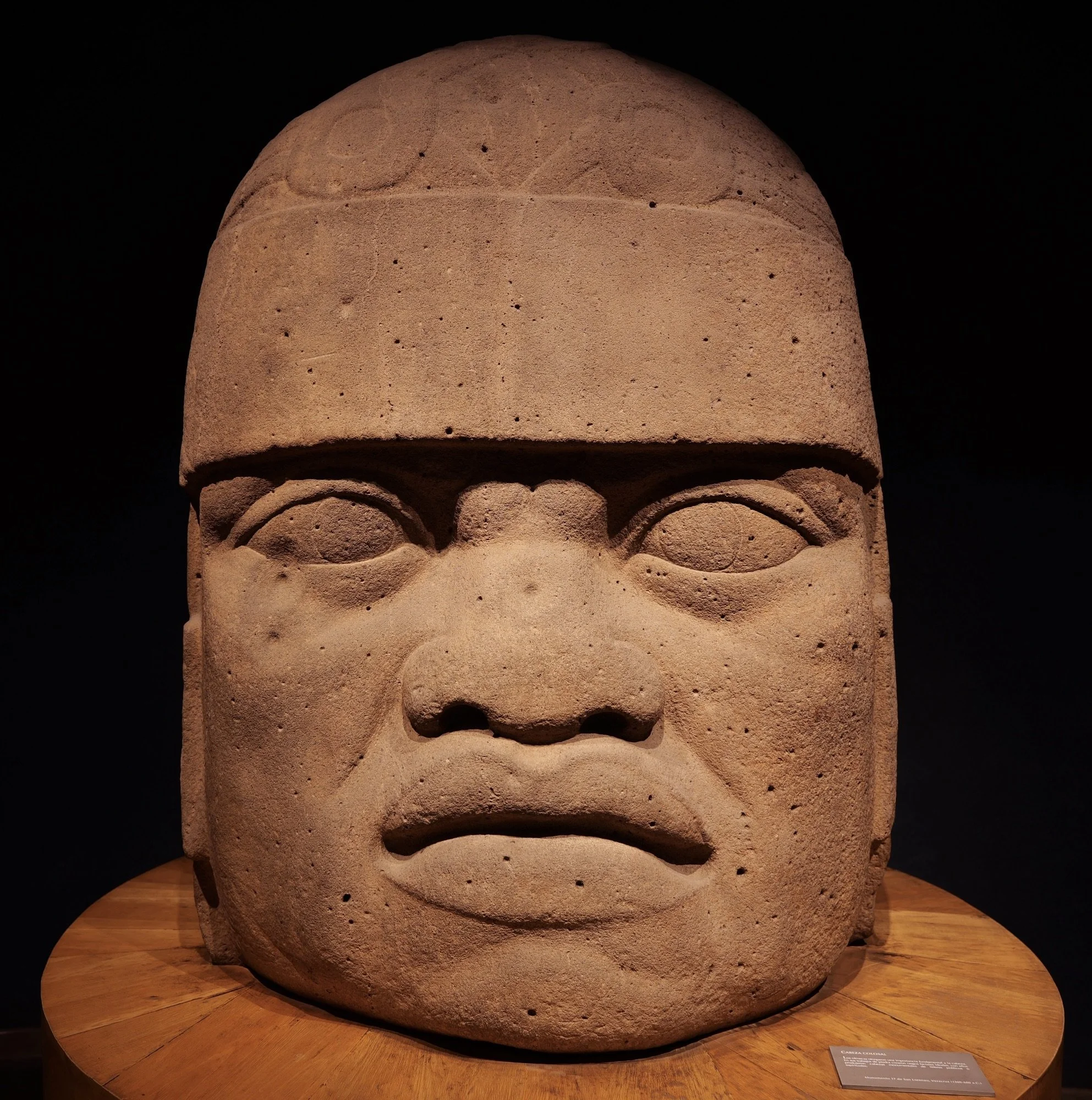
The museum also offers an impressive level of depth, should you want it, although good Spanish is essential. Only a few of the explanations are available in English. In return, there is plenty to discover, from the Olmec cabezas colosales on the Gulf Coast to the arrival of Cortés and the fall of Tenochtitlan in 1521.
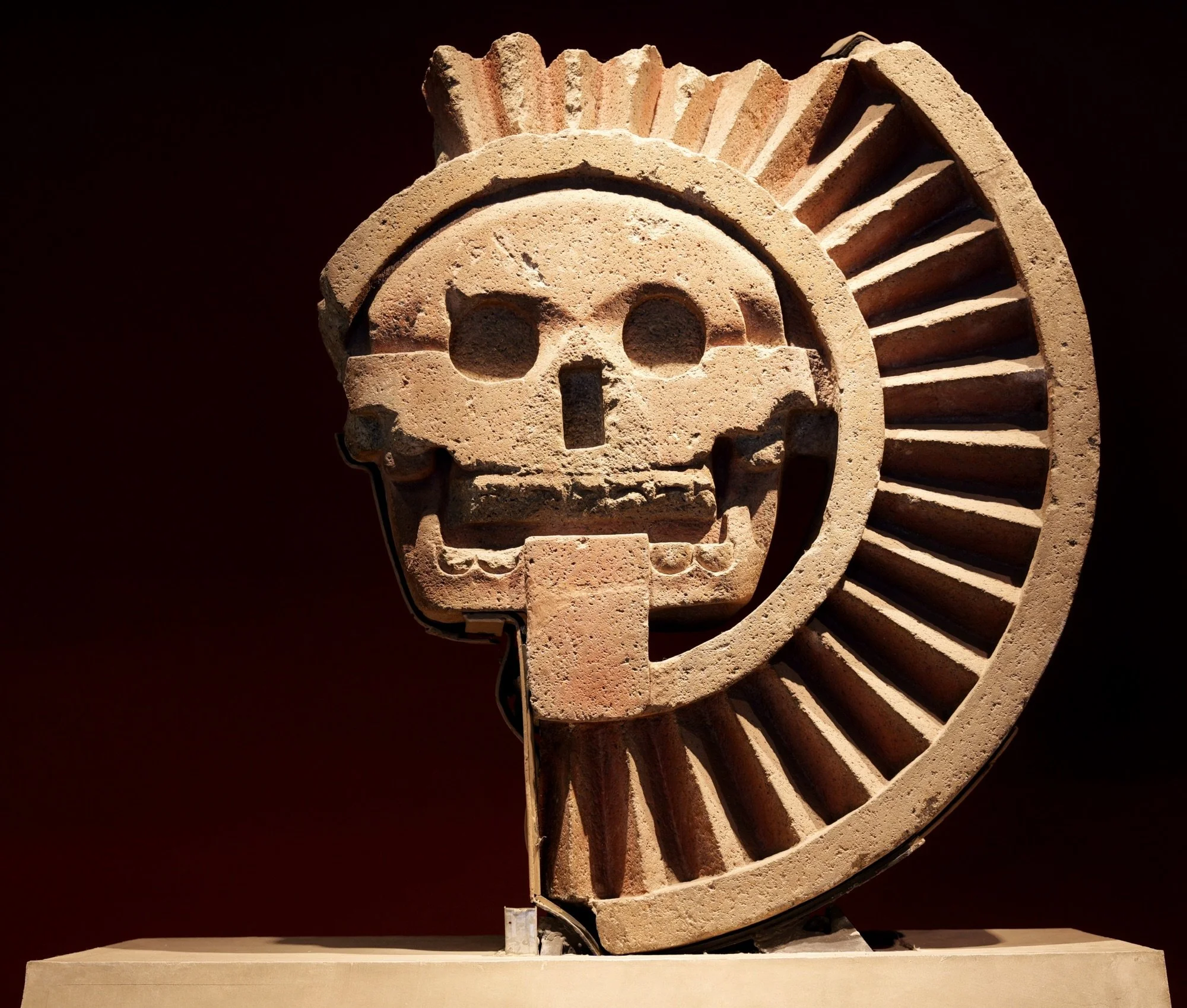
There is also a section on how these communities live today, showing their customs, clothing and celebrations. Much of it was alive with vibrant colours, alongside the skull motifs so characteristic of Mexico.
Overall, visiting the museum felt like entering an entirely new world. One containing so much that was new and unfamiliar that it felt like opening Pandora's box, only without the dread. The real danger was how much time one could lose to everything inside it.
About this blog
A few remarks about this Blog
This blog is not about explaining a country and its ways.
This blog is not about stating facts and figures about a place or a culture.
This blog is not a comprehensive guide on how to get from A to B and what there is to see along the way.
It's none of that.
This blog is about one thing.
It's about what resonates with me and how I feel about what I encounter.
If anything, this blog wants to be a diary.
It wants to put the spotlight on the things that easily get lost.
It wants to be thoughtful.
It wants to offer perspective.
I'm interested in people's lives and how they - sometimes involuntarily - reveal much more about themselves then they would like.
I'm interested in the environment and how it shapes the daily lives of the people who call it home.
There will be mistakes.
There will be contradictions.
There will be false assumptions.
We all see things differently, and this blog is how I see the world.
A Collection of Privileges
Travelling is not something to be taken for granted.
Travelling is not something to be taken for granted. Travelling, or more generally speaking freedom of movement, can be limited or made completely impossible by many reasons.
Health reasons
The most important pillar of travelling is probably this one. If you do not feel well or are physically restricted, travelling is difficult or impossible.
Family reasons
Here the question is whether you can afford to be absent for a longer period of time. Do you have explicit or implicit obligations, such as caring for relatives or a pet?
Financial reasons
Like almost every other hobby, travelling costs money. Money which first has to be earned beyond the normal costs necessary for survival. This is more difficult in some places than in others.
Political reasons
Travelling can be denied to a person. Because there is a risk that they might flee, or because there simply is no authority that issues the necessary documents. Be it passports or visas.
Social reasons
Travelling has undergone an interesting development in recent years: on the one hand, especially in Western countries, it is considered completely normal to take at least one long-distance trip per year, while on the other hand certain types of travel are put in the dock, whether because of high CO₂ emissions or also in order not to support or strengthen the local government in its actions. The latter in particular seems to overlap strongly with the political reasons, but it is still only intrinsic, because everyone is free to take these things into account, to ignore them, or precisely to perceive and observe them and make their own decisions.
So one only travels if all five are fulfilled at almost the same time or if one can fulfil them oneself. As soon as one of them is not fulfilled, it becomes difficult. Some of the privileges shown above are harder to obtain if, for example, you live in Cuba or Uzbekistan. Then the financial and political reasons become almost insurmountable, while one has probably never even heard of the social reasons. If, like me and many others, you have been given a strong passport, political restrictions are almost invisible, or a visa costs at most the equivalent of one to three hours of work.
Travelling shall therefore never be taken for granted, and that is exactly why I personally make use of it as often as I can, because I am aware of how fleeting it can be.